Protecting Yourself From Summer Heat
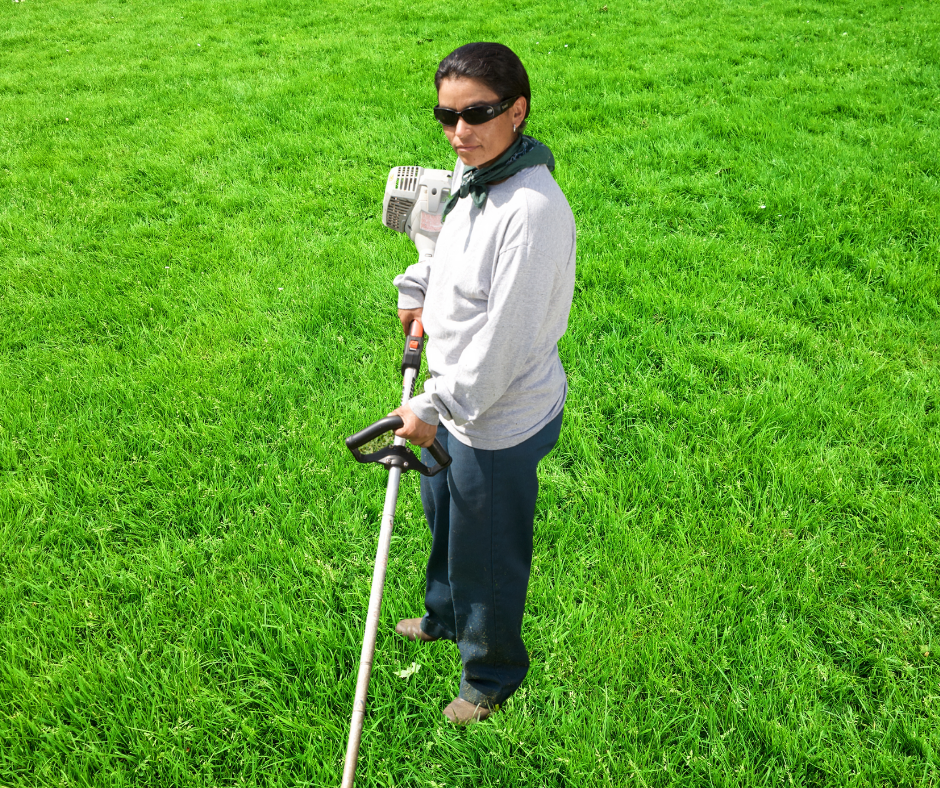
Although summertime is typically when lawn care and landscaping service professionals are the busiest, the sun’s heat works hard against the body while performing the needed tasks of the job.
The heat puts additional stress on the body’s cooling system during these hot summer months, leading to heatstroke, heat stress, or heat exhaustion. Extreme heat reduces the body’s reaction time and raises the risk of other diseases or injuries.
Excessive heat can attribute to an underlying cause of death. In addition to the heat working hard on the body, extra Personal Protective Equipment (PPE) can additionally tax the bodies’ regulating ability, putting employees at risk of heart major heart problems.
Heart attacks, strokes, and other circulatory system issues are more prevalent during the summer months, especially ones with cardiovascular or respiratory disorders.
Steps to Take to Reduce Heat Exposure
- Before you get thirsty, drink some fluids. You should drink 1 cup (8 ounces) of water every 15 to 20 minutes when working outside.
- In hot conditions, take more frequent rest breaks. Breaks enable the body’s core temperature to drop. Cold packs or damp towels and sitting in the shade or using air conditioning can lower the body’s temperature.
- Work outside for brief amounts of time to gradually acclimate to the outside work environment.
- Choose loose-fitting, breathable attire that is appropriate for the work. Polyester pants and shirts are best at refracting the heat and not sticking to the body. Wear somewhat brighter clothing if possible and wear wide-brimmed hats and UV protective sunglasses. (Note: There are more tips on clothing later in this article)
- To keep your core body temperature low, use wearable personal cooling equipment.
Sun Protection
It is critical to protect yourself from the sun when working outside. Aside from skin damage, prolonged sun exposure can lead to some malignancies. For example, melanoma, a deadly form of skin cancer, can be caused by long-term exposure and recurrent injury. Repeated exposure over a long time will cause the most damage.
Limiting UV exposure may avoid skin damage and illness. So, wear a good sunscreen SPF-30 or higher, which will block some of the UVA and UVB rays emitted from the sun.
Please note, continuous sun rays can harm anyone. Long-term exposure and repetitive damage can cause some types of skin cancer, which can be fatal if left untreated.
Minimize Skin Damage Risk
Follow these simple guidelines to reduce your risk of skin damage or cancer:
- If possible, lawn and landscaping services should be done early in the morning or late in the afternoon. Stay out of the sun between 10:00 a.m. and 3:00 p.m., when the sun is at its fiercest.
- Cover the driver’s seat of a mower, tractor, or other exposed vehicle with a shade canopy.
- Bring a folding tent with you if you will be in one place for a long time.
- When feasible, do equipment repairs and maintenance in an inside workshop rather than outside.
- When working outside, use a water-resistant, broad-spectrum sunscreen with a sun protection factor (SPF) of 30 or higher. If necessary, reapply every two hours or more. Choose from a selection of sunscreen products to choose one that you will use. Sprays are convenient, but try not to breathe them in. For the face, the ideal protection is ointments. To protect your lips from sunburn, use a lip balm with at least 15 SPF.
- Wear a cap with a neck flap or a wide-brimmed hat with a 3-inch to 4-inch brim. Baseball hats do not protect ears, temples, and necks.
- Wear UV-protective sunglasses that wrap around your head to block as many rays as possible.
- Wear protective clothes suited for the outdoors, such as long sleeves, long pants, socks, and gloves. Darker colors offer more sun protection, but they are hot to wear. Some garment materials provide additional sun protection with a UPF designation. These lightweight materials are comfortable, UV-protective, and available in a range of colors.
As the summer heat persists, outdoor workers should exercise extreme caution to avoid heat-related stress. Unfortunately, workers of all ages and levels of expertise are susceptible to these dangerously high temperatures.
The primary objective of any outdoor summer employment is to avoid overheating and sunburns, which can result in blisters and skin peeling.
So, while you are busy servicing your lawns and designs, do not forget to protect yourself from the heat.